

No products in the cart.
The Ultimate Guide to Managing PCOS with SKY Yoga & Yogic Nutrition
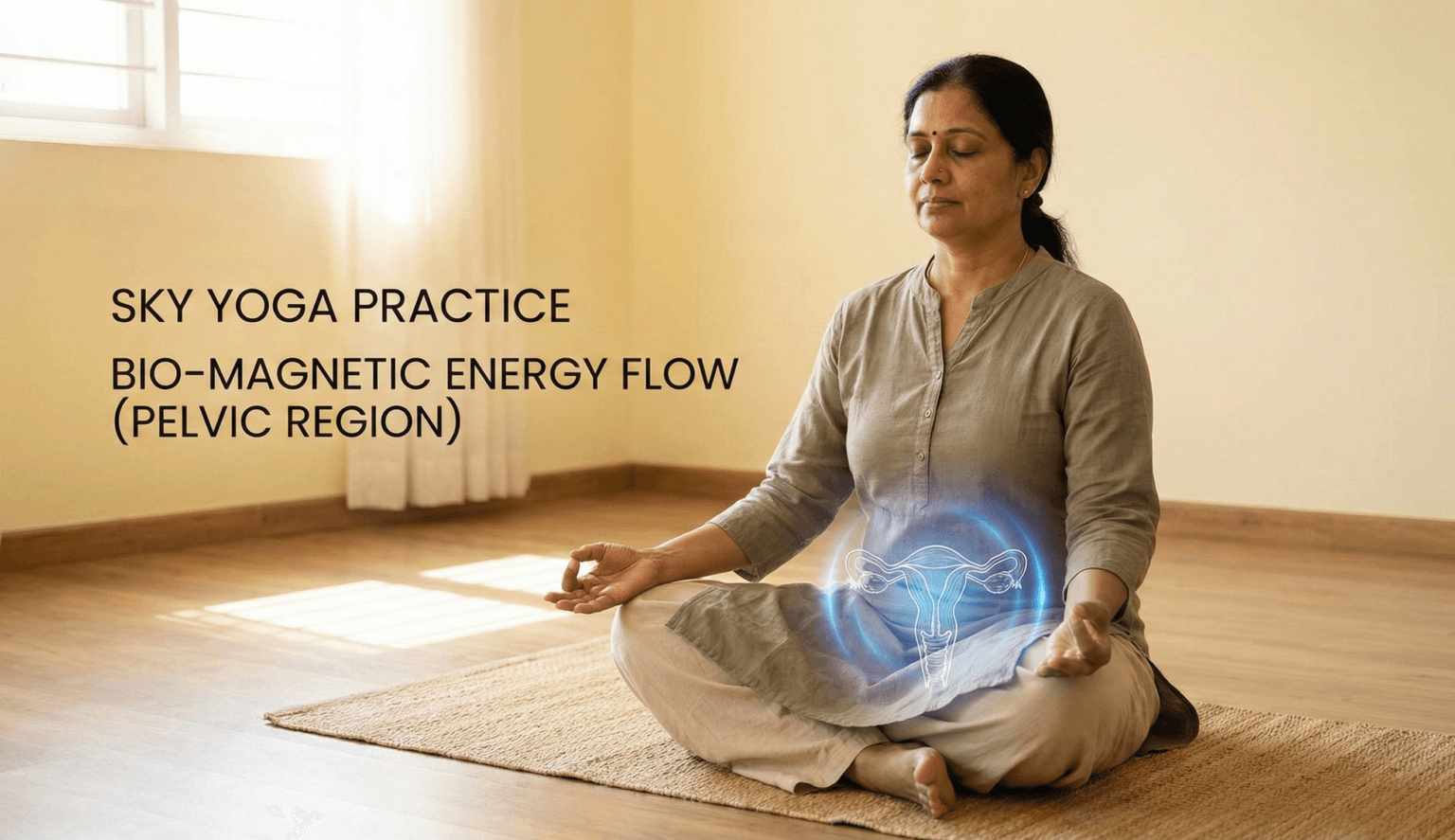
PCOS Yoga Exercises are increasingly explored by women seeking natural support for hormonal balance. Polycystic Ovary Syndrome (PCOS) is a complex endocrine condition involving irregular ovulation, elevated androgens, insulin resistance, and chronic low-grade inflammation. While medical care remains essential, lifestyle interventions—particularly structured yoga for hormone balance and authentic yogic diet practices—play a powerful supportive role.
Within the system of Vethathiri Maharishi women’s health teachings, PCOS is not viewed merely as a localized ovarian condition, but as a systemic imbalance involving life force regulation, nervous system stress, and bio-magnetic disharmony. SKY Yoga offers an integrated approach combining Simplified Physical Exercises, Kaya Kalpa, and Unavu Murai (yogic nutrition) to support internal equilibrium.
The Science of Hormones and Bio-Magnetism
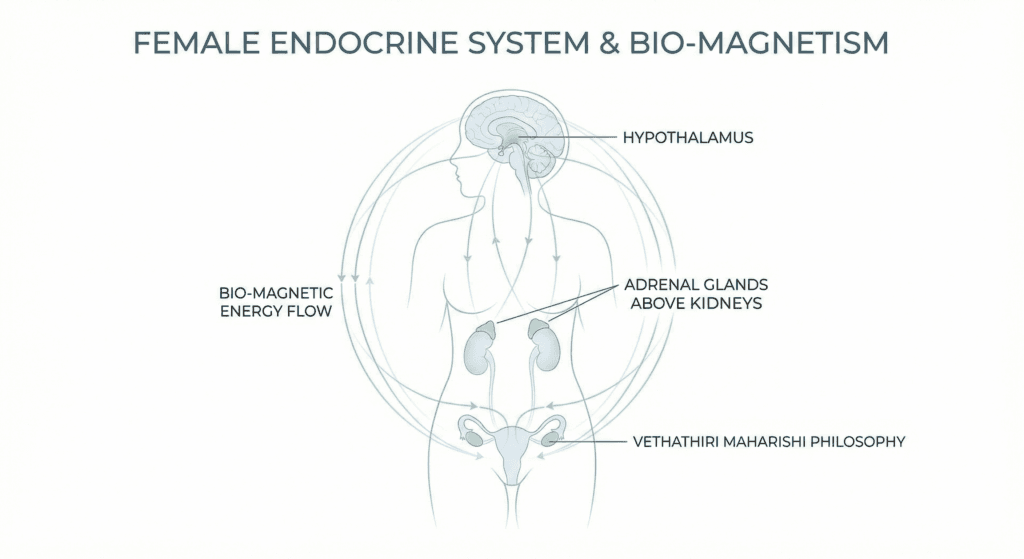
From a biomedical perspective, PCOS involves disruption of the hypothalamic–pituitary–ovarian axis. Stress, insulin resistance, and inflammation amplify this imbalance. Elevated cortisol levels may further aggravate reproductive dysfunction.
Vethathiri Maharishi’s concept of bio-magnetism offers a complementary lens. According to his teachings, the human body operates through a subtle bio-magnetic force generated by life energy and regulated through the nervous system. When circulation weakens or stress accumulates, bio-magnetic flow becomes obstructed. In women, such stagnation particularly affects the pelvic and endocrine regions.
SKY Yoga is therefore not mere physical movement. It is a systematic method to:
Improve circulation to the reproductive organs
Regulate nervous impulses
Restore endocrine coordination
Balance life-force flow
By supporting parasympathetic activation and enhancing blood supply to the ovaries, these practices may assist in restoring hormonal harmony when practiced consistently.
5 Essential SKY Physical Exercises for PCOS
1. Pelvic Activation Movement
Gentle rhythmic contraction and relaxation of the lower abdominal and pelvic region stimulate blood flow to the ovaries and uterus.
Action: Perform slowly for 2–3 minutes daily.
(Insert image or short demonstration clip here.)
2. Spinal Flexibility Exercise
Spinal mobility enhances nervous system signaling between the brain and endocrine glands.
Benefit: Supports hormonal communication and reduces nerve tension.
3. Abdominal Strengthening Practice
Controlled abdominal movements help improve insulin sensitivity and metabolic stability—key factors in PCOS management.
4. Breathing Regulation Exercise
Deep rhythmic breathing calms the sympathetic nervous system and reduces cortisol levels.
Benefit: Supports emotional regulation and endocrine balance.
5. Full-Body Relaxation Technique
Conscious relaxation activates parasympathetic dominance, improving internal healing responses.
Practice Duration: 5–10 minutes daily.
Consistency is more important than intensity. These PCOS Yoga Exercises work progressively by improving circulation, metabolic function, and nervous system stability.
The Unavu Murai (Diet) Protocol for Hormonal & Gut Health
Exercise alone is insufficient in PCOS management. Modern research confirms a strong connection between gut microbiome health and hormone regulation. Insulin resistance and inflammation often originate from digestive imbalance.
The yogic diet for PCOS, known as Unavu Murai, emphasizes natural, low-inflammatory, and easily digestible foods.
Morning Anti-Inflammatory Routine
A small portion of raw neem leaf and turmeric (under guidance) to reduce systemic inflammation.
Hydration with coconut water or diluted buttermilk to restore electrolyte balance and support gut flora.
Main Meals: Low-Glycemic Stability
Emphasize:
Millets (such as thinai, kambu, ragi)
Moderate portions of traditional idli or dosa balanced with fiber-rich vegetables
Inclusion of lentils and plant proteins
These stabilize insulin response and reduce hormonal spikes.
Daily Gut & Hormone Support Additions
Soaked almonds for healthy fats and micronutrients
Dried amla (Indian gooseberry) to support gut lining repair and antioxidant protection
Adequate omega-3 sources for inflammation regulation
Complementary Modern Protocols
To enhance the traditional foundation:
Seed cycling (flax seeds and pumpkin seeds) to support estrogen-progesterone balance
Omega-3 rich foods such as walnuts
High-fiber vegetables to regulate blood glucose
This integrated nutritional model supports insulin sensitivity, reduces inflammation, and stabilizes hormonal fluctuations—critical in PCOS management.
Managing Stress-Induced PCOS with Kaya Kalpa
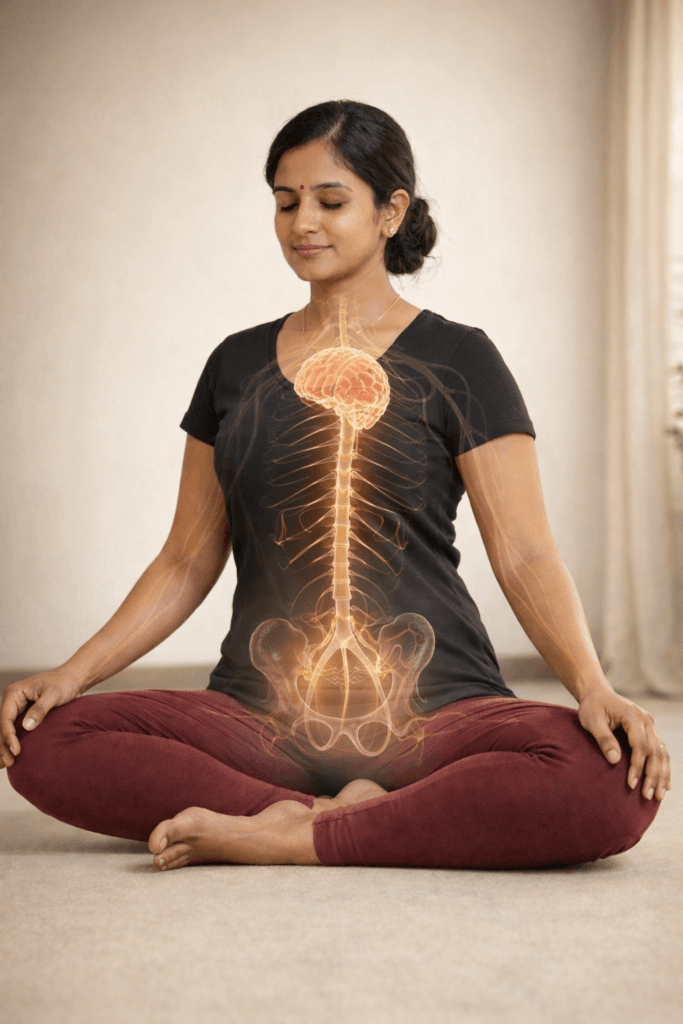
Stress significantly worsens PCOS through elevated cortisol levels. Chronic cortisol elevation contributes to:
Insulin resistance
Ovarian dysfunction
Irregular menstrual cycles
Kaya Kalpa Yoga is a specialized SKY practice focusing on rejuvenation and reproductive health. It strengthens the nervous system and improves endocrine coordination.
By practicing Kaya Kalpa regularly:
Stress response moderates
Nervous system stability improves
Hormonal fluctuations become more regulated
This makes it particularly valuable for women experiencing stress-induced PCOS symptoms.
Frequently Asked Questions
Can PCOS Yoga Exercises cure PCOS?
No. They support management alongside medical care.
How long should one practice daily?
20–30 minutes of consistent practice yields gradual improvement.
Is diet more important than exercise?
Both are essential. Gut health directly influences hormonal regulation.
The Next Step
Consistency transforms results.
Ready to build a structured and guided routine?
Enroll in the official SKY Yoga Online Course to learn these specific physical exercises directly from senior professors.
Final Thought
Managing PCOS requires a holistic understanding of endocrine science, nervous system regulation, and authentic nutrition. Through disciplined practice of PCOS Yoga Exercises, adherence to Unavu Murai, and stress regulation via Kaya Kalpa, women can support their internal harmony naturally and responsibly.